Introduction: The Challenge of the Arid Oasis
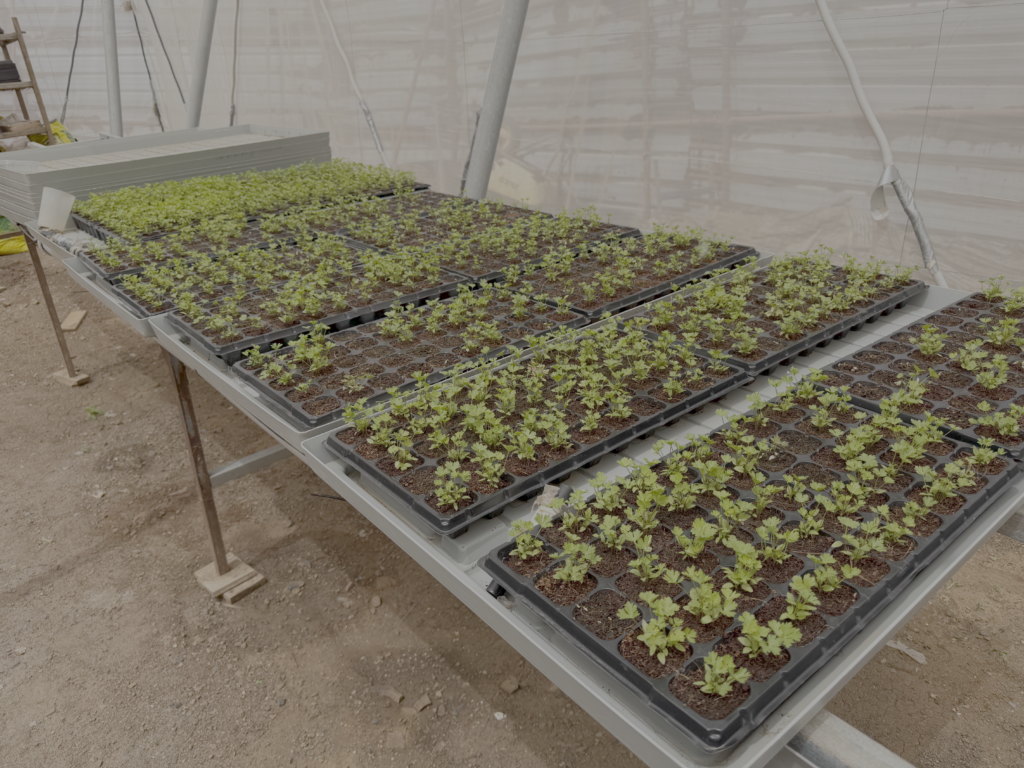
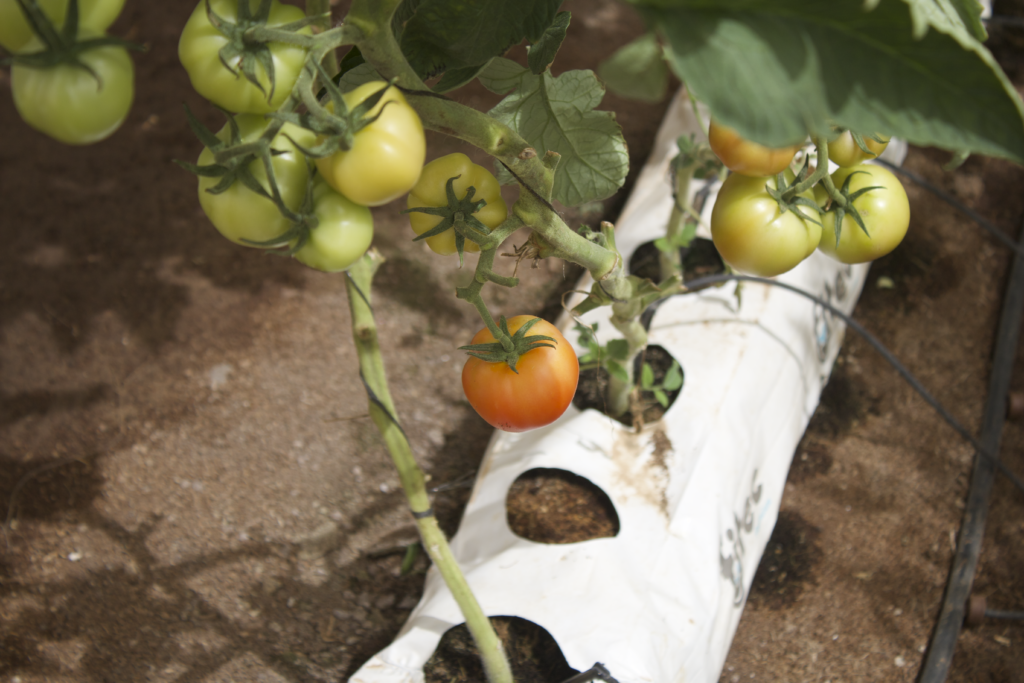
The Solution: Hydroponics and Resourcefulness
- Precision Nutrition: Essential minerals and nutrients are delivered directly through the irrigation system.
- Nutrient Uptake Efficiency: In an inert substrate, plants can focus energy on growth rather than searching for nutrients in poor soil.
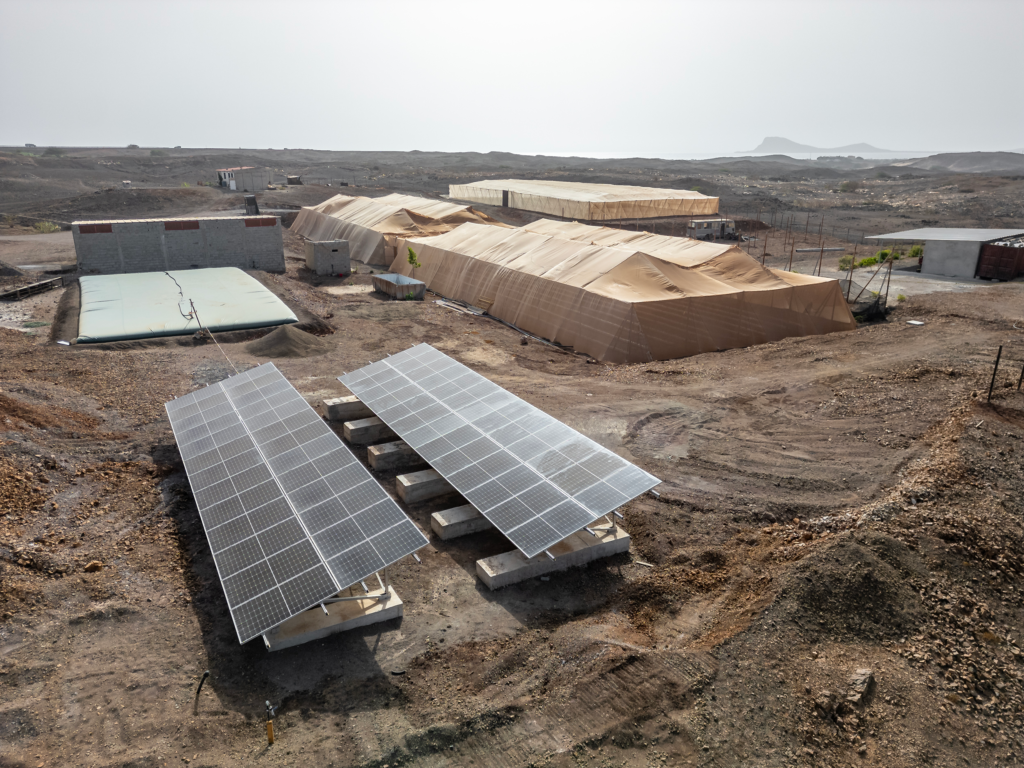
- Water Reuse: Treated wastewater is reused for irrigation, reducing pressure on scarce freshwater resources.
Establishing a market presence was the next challenge. At the beginning, hotels placed small orders, often out of curiosity rather than necessity. Over time, through consistency and quality, Manderly Agriculture built trust and positioned itself as a reliable supplier. Today, it works with more than 10 major clients, including international hotel chains such as Hilton and Meliá.
A Strategic Partnership for Systemic Change
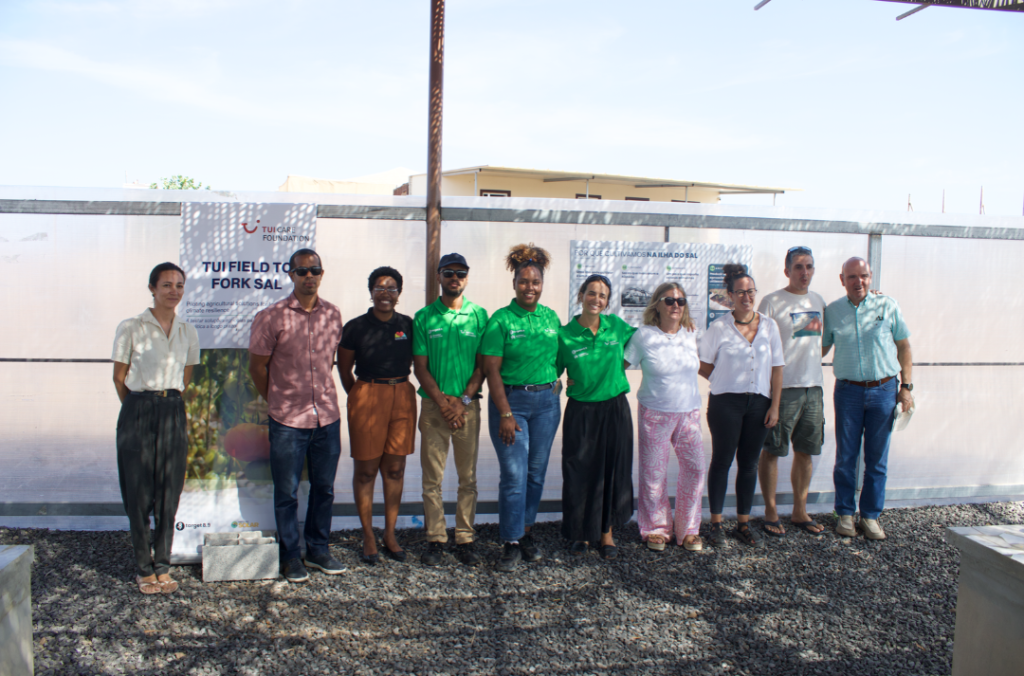
The growth of Manderly Agriculture has been further accelerated by a strategic partnership with the TUI Care Foundation and Target 8.9. This is more than a financial arrangement; it is a strategic alliance designed to bridge the gap between a local producer and the global tourism industry, helping ensure that the economic benefits of tourism reach the heart of the local community.
Through its TUI Field to Fork Sal initiative, developed in close collaboration with Manderly Agriculture, the TUI Care Foundation connects travellers directly to local causes. This support is central to fostering thriving, resilient livelihoods in Sal, bolstering Manderly Agriculture’s international profile and providing the institutional credibility required to engage effectively with high-level organisations and global hospitality stakeholders.
Target 8.9, the global development agency initiated by the TUI Care Foundation, provides the specialised support and resources needed to scale this impact on the ground. This collaboration has been instrumental in launching “Phase 1” of Manderly Agriculture’s expansion, mobilising both capital and operational expertise to help scale capacity and meet the demand of the commercial hotel sector. This structural backing ensures that tourism becomes a powerful engine for inclusive economic growth, directly aligning the project with UN Sustainable Development Goal 8.9.
Together, these two organisations empower Manderly Agriculture to transform the tourism value chain, working to ensure that every harvest contributes to a more resilient and thriving local community.
Impact: Growing with the Community
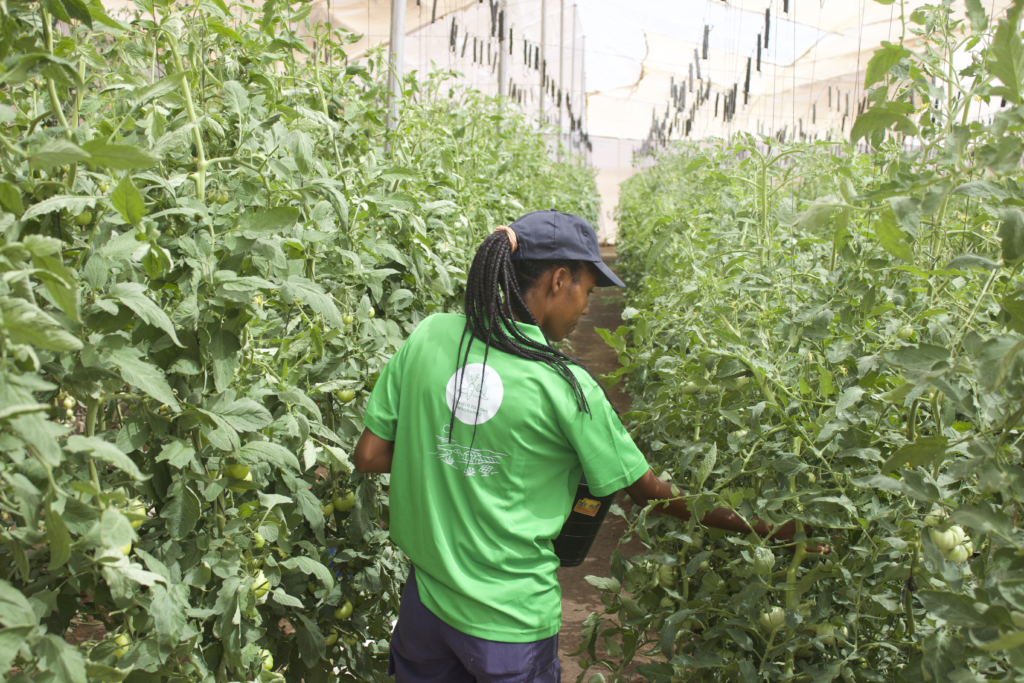
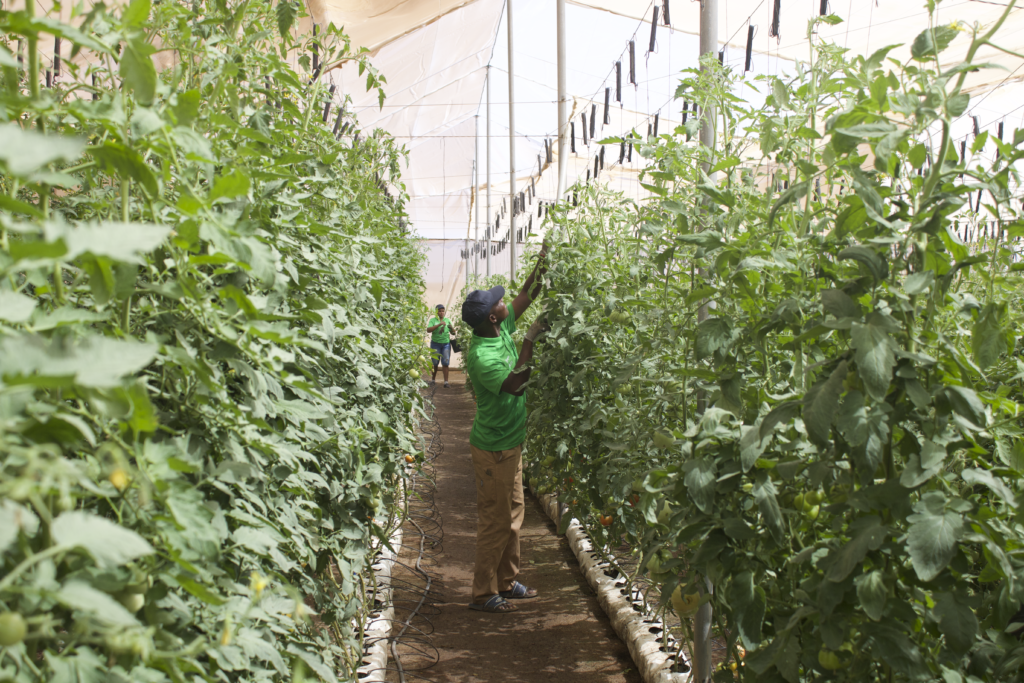
By creating local jobs and providing hands-on training in controlled-environment hydroponic agriculture, Manderly Agriculture is building new professional pathways on the island. The project focuses on long-term development, offering team members the opportunity to grow within the company, take on new responsibilities and develop technical skills over time.
The project also prioritises gender inclusivity, actively targeting a 50% female workforce across its operations. Recognising the realities many women face, particularly around childcare, Manderly Agriculture promotes a flexible and supportive work environment. The goal is to create conditions where women can access stable employment and grow professionally.
What’s Next for Manderly Agriculture?
“If you want to build something on an island, you have to build it with the island.” – Alicia, CEO and Founder of Manderly Agriculture